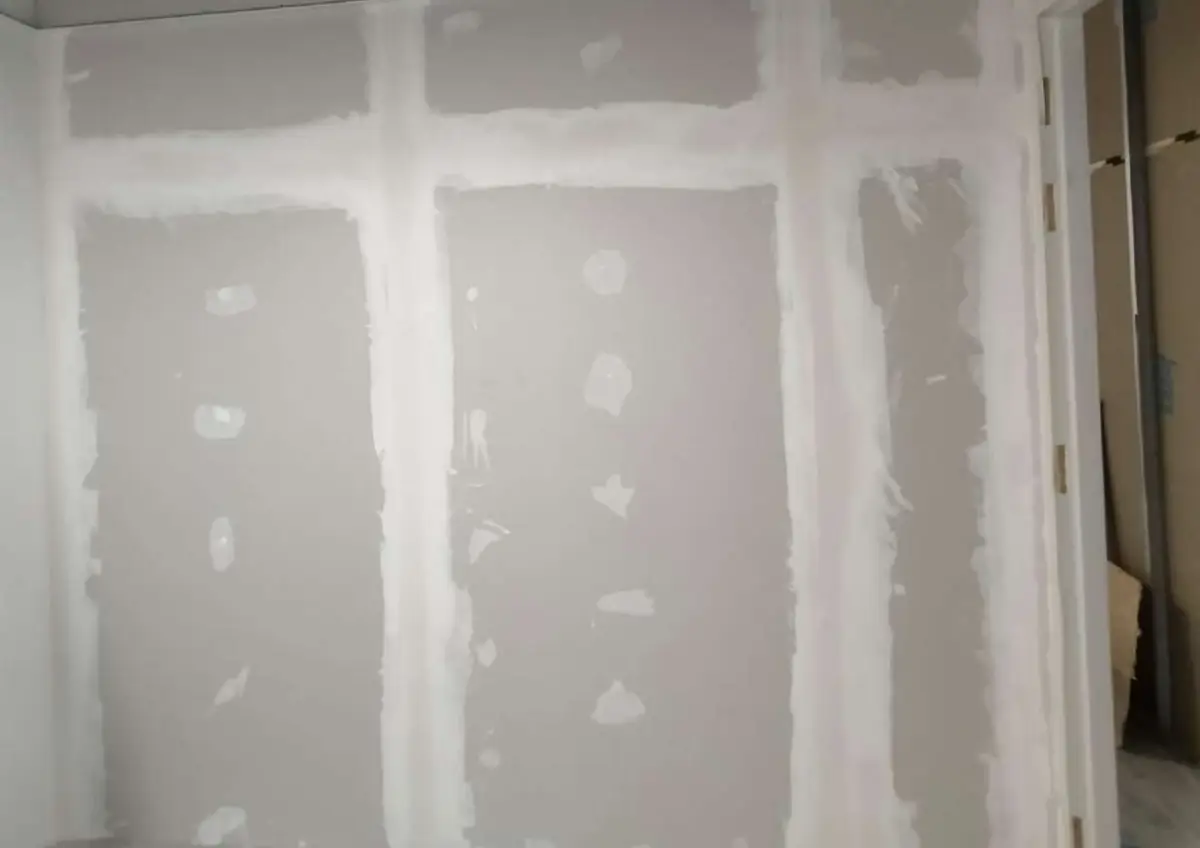
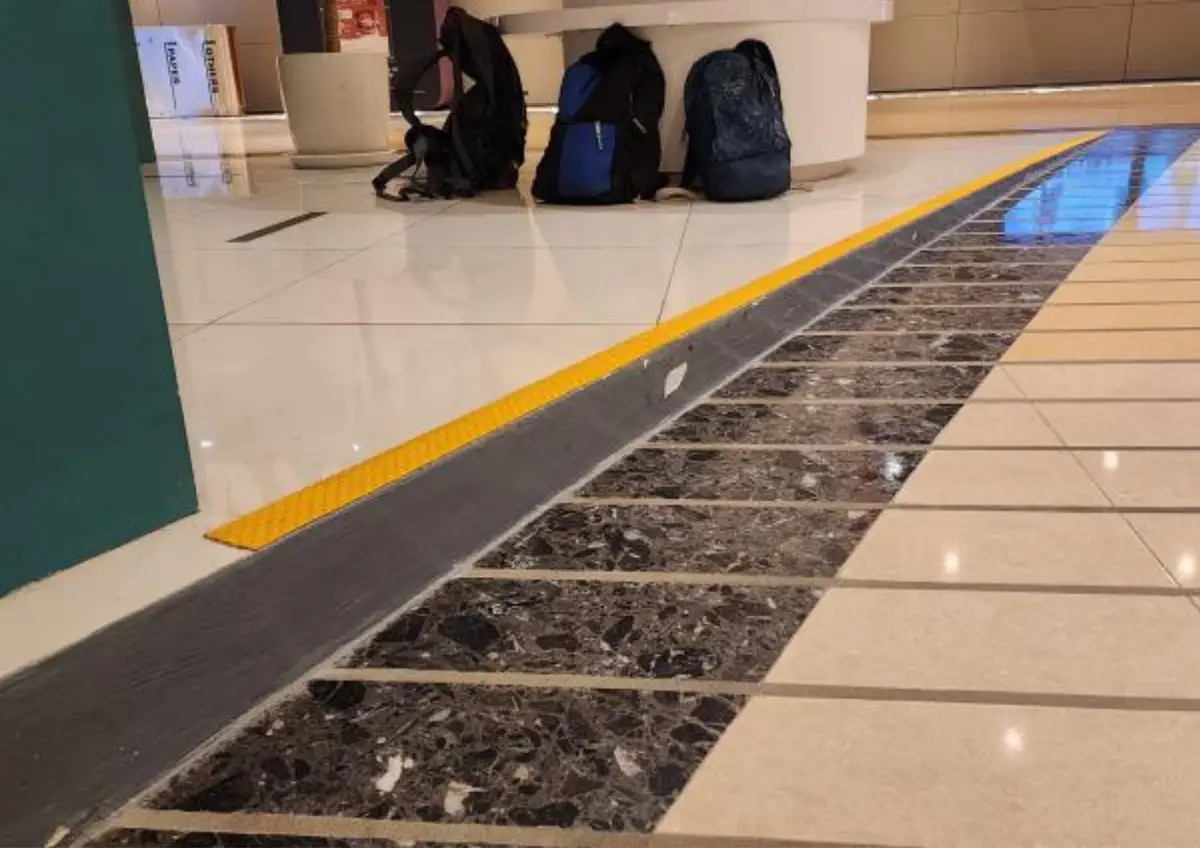




Cement Screed Flooring in Singapore
Cement screed is commonly used to prepare floors before installing other finishes like tiles, vinyl, or parquet. When properly finished and sealed, it can also be a practical flooring option for homeowners and business owners who want an industrial-inspired look.
At Omni Contractors, we provide cement screed flooring for residential and commercial spaces in Singapore. As an HDB-approved cement screed contractor, our team carries out screeding works in line with HDB requirements, helping you create a smooth, level floor surface for your renovation project.
What Is Cement Screed Flooring?
Cement screed flooring refers to a layer of cement-based material applied over a concrete floor surface to create a smooth, level and even base. It is commonly used before installing floor finishes such as vinyl, tiles, laminate or parquet.
In some cases, cement screed can also be used as the visible floor surface, especially for homeowners or businesses that prefer a minimalist, industrial or raw concrete-inspired look. However, using cement screed as a final surface usually requires proper finishing and maintenance to reduce dusting, staining and surface wear.
Cement screed flooring can be used in areas such as living rooms, bedrooms, offices, retail units and selected commercial spaces. For HDB flats, cement screed works must comply with the relevant HDB requirements, including approved materials, thickness limits and renovation guidelines.
What Are the Pros and Cons of Cement Screed Flooring?
Cement screed flooring can be a suitable choice for many spaces, but it is important to understand both its benefits and limitations before deciding if it is right for your project.
| Pros | Cons |
|---|---|
Smooth and Level SurfaceCement screed helps create a flatter, even floor surface, making it suitable as a base for floor finishes such as vinyl, tiles, laminate and parquet. This is especially useful when the original floor surface is uneven or needs preparation before the final flooring is installed. |
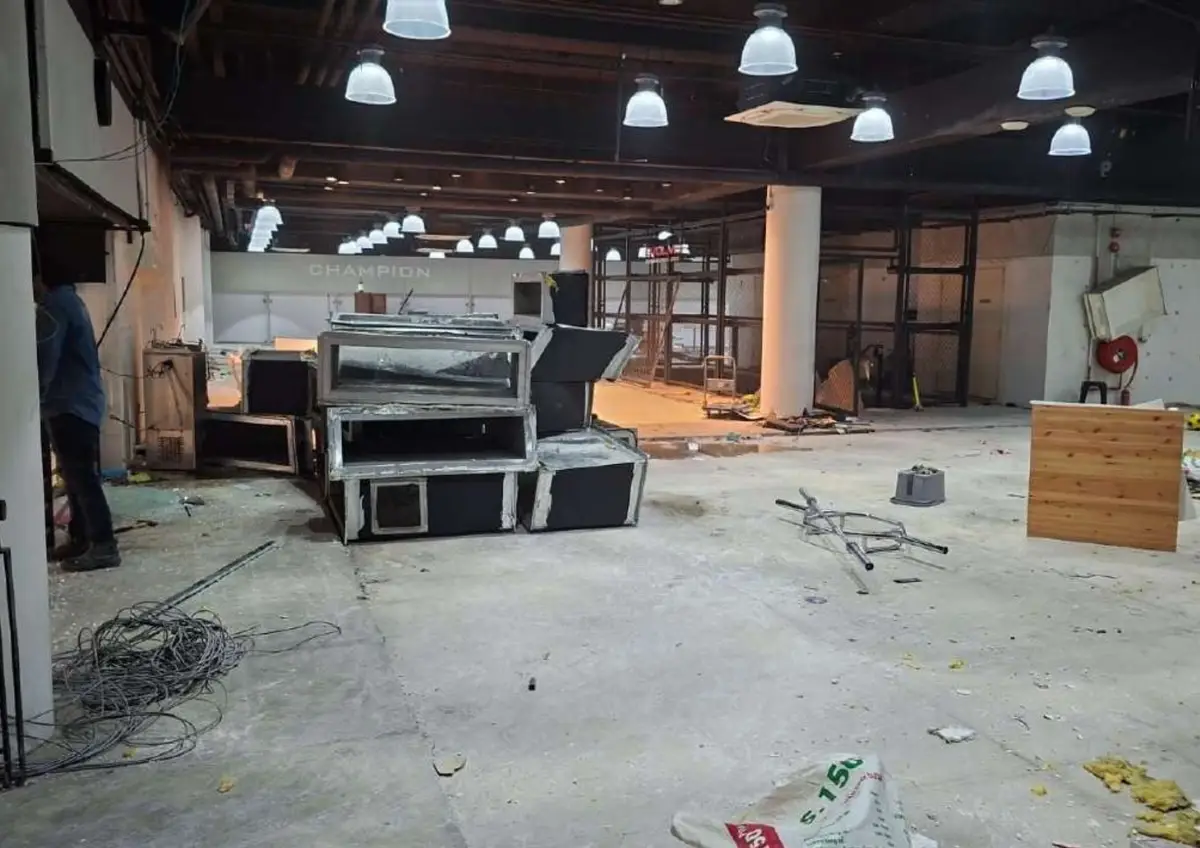
May Develop Hairline CracksCement screed may develop hairline cracks over time due to drying, shrinkage, movement or changes in site conditions. Minor cracks are common for cement-based materials, but proper application and curing can help reduce the risk. |
Clean and Modern AppearanceWhen properly finished, cement screed can create a simple, modern look that works well with minimalist, industrial and contemporary interiors. Its neutral appearance also makes it easier to match with different furniture styles and colour schemes. |
Requires Proper FinishingIf cement screed is used as the final floor surface, it may require sealing or finishing to reduce dust, stains and surface wear. Without proper treatment, the surface may be harder to maintain. |
Versatile for Different SpacesCement screed can be used in residential and commercial spaces, including HDB flats, bedrooms, living rooms, offices and retail units. It is often chosen for both practical floor levelling and design purposes. |
Not Always Suitable for Every AreaCement screed may not be suitable for all floor types, wet areas or properties. |
If you are unsure if cement screed flooring is suitable for your home or commercial space, contact Omni Contractors for advice. Our team can assess your site and recommend a practical approach based on your needs.
What Are the Different Types of Cement Screed in Singapore?
There are different types of cement screed available in Singapore, each designed to suit different flooring needs and project requirements.
Bonded screed
Bonded screed is applied directly onto the concrete substrate, allowing it to bond closely with the existing floor surface. This type of screed is commonly used when there is a suitable concrete base and a thinner screed layer is required.
Unbonded screed
Unbonded screed is laid over a separating layer, instead of being bonded directly to the concrete substrate. This can be useful when the existing surface is not suitable for direct bonding or when a separation layer is needed between the base and screed.
Floating screed
Floating screed is laid over an insulation or membrane layer, rather than directly on the concrete base. It is often used in projects that require acoustic, thermal or waterproofing considerations.
What Is the Price of Cement Screed Flooring in Singapore?
The price of cement screed flooring in Singapore can vary depending on the floor area, site conditions, screed thickness, material requirements and your project complexity. As each space is different, it is best to request a quotation based on your actual floor area and renovation needs.
Size of the Floor Area
A larger floor area generally requires more materials, manpower and time. This means that a full-home screeding project will usually cost more than screeding a single room, corridor or small commercial area.
Existing Floor Condition
The condition of the existing floor can affect the amount of preparation required. Uneven surfaces, loose particles, damaged areas or existing finishes may need to be addressed before cement screed can be applied properly.
Screed Thickness and Material Requirements
The required screed thickness can affect the amount of material used and the overall cost. For HDB projects, floor finishes and screed thickness must comply with the relevant HDB guidelines, including the total allowable thickness requirements.
Property Type and Access
Costs may differ depending on the type of property and site access. HDB flats, condominiums, offices and commercial units may each have different renovation rules, access arrangements and working hour restrictions.
Additional Works Required
Additional works, such as surface preparation, waterproofing, floor levelling, debris removal or site clearing, may affect the final quotation. If waste disposal is needed after removal works, disposal services can also be arranged.
For a clearer estimate, contact us with your floor area, site photos and project requirements. Our team will provide a quotation based on your actual scope of work.
What Is the Process of Applying Cement Screed Flooring?
Our team follows a systematic application process to ensure the cement screed is laid evenly and prepared for its intended use.
Step 1: Removal of Loose Particles
Before cement screed is applied, the floor surface must be properly prepared. Loose particles, dust, debris and weak surface materials are removed so the screed can be applied on a cleaner, more stable base. This step helps improve the quality of the screeding work and reduces the risk of poor bonding or uneven areas.
Step 2: Installation of Level Pegs
Level pegs are installed to guide the required screed height and floor level. These markers help ensure that the cement screed is applied evenly across the area and aligned with the intended floor finish. Proper levelling is important, especially when the screed is used as a base for vinyl, tiles, laminate or other flooring materials.
Step 3: Application of Cement Screed
Once the surface is prepared and levels are set, the cement screed is applied across the floor area. The application method may vary depending on site conditions, screed thickness and project requirements. Our team will carefully spread and level the screed to achieve a smoother, more even surface.
Step 4: Drying of Cement Screed
After application, the cement screed must be given time to dry and cure properly. The drying period can vary depending on the screed thickness, ventilation, humidity and site conditions. It is important not to rush this stage, as proper drying helps support the quality and durability of the floor surface before the next layer or finish is installed.
Why Choose Omni Contractors?
Our Service Guarantees
FAQs About Cement Screed Flooring in Singapore
Free Quote
Require our services? Our team is ready to assist you, just drop us a message with this contact form and the details and our customer service staff will get back to you as quickly as we can.
"*" indicates required fields